
Visit to the Arenes d'Arles
I decided to pay a visit to the amphitheatre during my stay in Arles and it turned out to be a pretty phenomenal experience.
Read reviews of the best Provence sights
Winter is releasing its grip on Provence and spring is on its way.
Find loads of top tips and local insights in our Provence Events Reviews.
I decided to pay a visit to the amphitheatre during my stay in Arles and it turned out to be a pretty phenomenal experience.

The town of Uzès is located just northwest of Avignon, about a 40-minute drive. If you haven't made plans to visit this town, change them right now and go.

After a stern winter, spring in Provence comes alive with a spontaneous display of colors. Along the roads, yellow broom and mauve valerian spring up to signal that the dark months of winter are over. Red poppies add a vivid accent.

Come September, the forest fires have been extinguished, the heat waves have abated and the first rains have fallen - for many areas in Provence the first drops since the end of May. The air is cooler, though still warm in the middle of the day, and the sea has lost quite a few degrees of temperature, after an amazing high of 28 degrees Celsius.

To many fans of Peter Mayle's writing (A Year in Provence, Toujours Provence and others) the Luberon is the heart of Provence. To us, Provence is more than just the Luberon. Nevertheless, the region offers much of what defines Provence: hilltop villages, stone houses, vineyards, olive trees, the scent of herbs and a fierce Mistral.

In 1994 a limestone cave in the Ardeche was discovered that excited the archaeology world. Three caving enthusiasts discovered a cave richly decorated with charcoal drawings, hand prints and engravings that had been closed off by a rock fall for around 20,000 years keeping its contents in incredible condition. Named after one of the cavers, Chauvet Cave quickly became regarded as one of the greatest archaeological finds of our time.
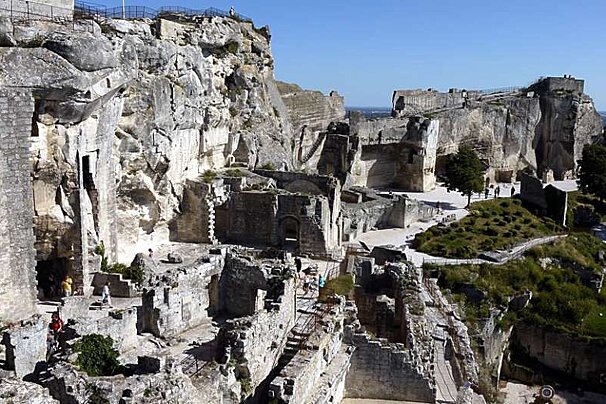
After a busy visit to Arles, you would do well to leave the city for the expanse of the Alpilles, an impressive limestone range to the north-east. With an eerie luminosity the mountain chain is at once inviting and distant. But there's also familiarity: the barren, almost white rocks remind you of the Roman theatre and the Arena you left behind in Arles. And the crowds near and in Les Baux-de-Provence will rival and surpass those you encountered in the city.

We arrived on a Saturday afternoon in late October, when skies were overcast and visitors were few. Just as in many of the larger Provencal towns, we were led on a circular road around the centre, barred from entering the inner city by car, as it should be.

Needing something a little different to the views on the Riviera, a venture into the mountain landscape of Digne-les-Bains provided exactly that. It’s rare that the journey actually becomes part of the break itself, but on the Train de Pignes from Nice that’s exactly what it feels like.

If you have one day to spend in this pretty city you'll see that, luckily, Avignon is a relatively small place to get around, whether travelling on foot or bicycle it's a pleasure.
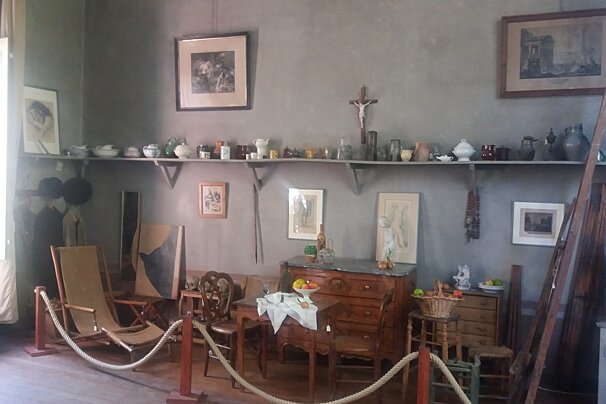
Be welcomed as a guest into the studio in which Paul Cézanne created some of his most famous paintings; and immerse yourself in the life of the Aix-en-Provence artist.

St. Paul’s Mausoleum in Saint-Remy-de-Provence is considered an important part of art-history because of their most famous patient, Vincent van Gogh, who committed himself to the institution in 1889 and stayed for one year, signifying one of the most creative and difficult periods in his life.

On a sunny Tuesday morning in April I found myself getting quite lost in the maze of narrow streets and lanes in the stunning, and slightly quirky, hilltop town of Biot.

Arles is a veritable smorgasbord of culture, tradition, activity and adventure; and a little more of the romantic mystery of Provence is revealed when discovering the true vitality of this small city.

The Musée Réattu emanates an air of secrecy, long forgotten tales and unsettled uprising within its courtyards and high ceilinged rooms.

Mons is a tiny, yet lovely hilltop village on the edge of the northen Var and the Alpes Maritime regions of Provence. We had read that Mons had a turbulent past with plagues, besiegements, destruction and reconstruction. From the fifteenth century onwards it had been repopulated by families from the Genoa region.

Looking for a little Roman history during you stay in Provence? Look no further than the city of Orange, located 20km north of Avignon.
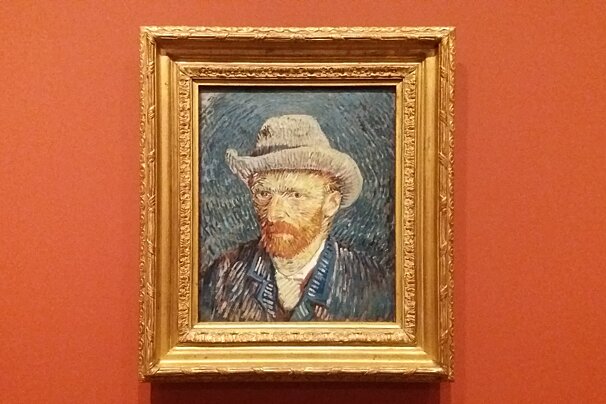
The Van Gogh foundation is situated in a quiet side-street of Arles and has a fresh, modern aesthetic and fits beautifully within the narrow cobblestone streets.