Sights in Orange — 12 of Our Favourites

Discover and book the top Orange sights

Musee du Vin Brotte, Chateauneuf du Pape

1. Musee du Vin Brotte, Chateauneuf du Pape

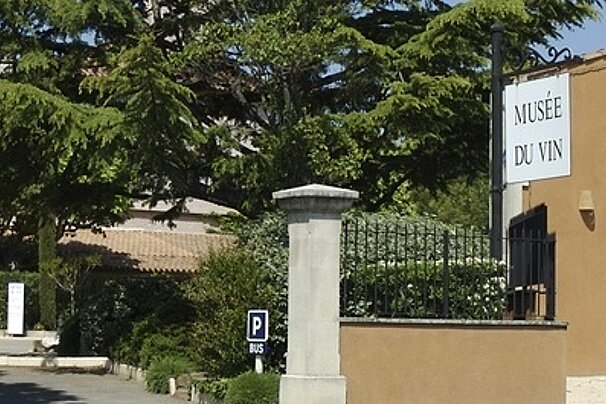
Created in 1972 by Jeanne Brotte, this wine museum is unique in Châteauneuf-du-Pape. First a modest museum displaying an impressing collection of old tools it has been renovated in 2002 and 2014 now presenting you with a museography called “In the footstep of the winegrower”.

A visit of the museum and cellar door has become a fun and educational "must stop" activity for all the wine lovers holidaying in the region.

Illustrated by extremely rare tools, some dating from the 14th century, you will discover, throughout our modern decors and free audioguide , how we make wine and the typicity of the Rhône Valley and its multiple appellations.

The Wine Museum is situated within the family estate. You will also find the cellar door where most of the wines are open to taste, all day, everyday.

Opening hours:
- From 15th April to 15th October from 9am - 1pm / 2pm -7pm
- From 15th October to 14th April from 9am-noon / 2pm-6pm
- Closed on 25th December and 1st January

Audio guide books are available in a number of different languages.

Entry to the museum is free. Bookings are compulsory for groups - please ask for prices.

Theatre Antique, Orange

2. Theatre Antique, Orange

Orange boasts the best preserved Roman Amphitheatre in the western world.

Built in the 1st century AD by Emperor Augustus, it is a UNESCO World Heritage Site and it's fabulous stage wall provides amazing acoustics. As a result, one of the most famous opera festivals in the world is held year each July.

The facade of the theatre is 103 metres long, 1.8m thick and 37 metres high and was described by Louis XIV as the "most beautiful wall in my kingdom" and it's easy to see why once you're there. The stage is even more impressive with it's huge wall, which in Roman times would have had moving parts and accessories added to it to enhance the feeling of space and perspective.

The amphitheatre is open to visitors and also hosts a variety of events throughout the year.

Opening dates & times:

  • January, February, November, December: 09:30-16:30
  • Mars, October 09:30-17:30
  • April, May, September: 09:00 - 18:00
  • June, July, August: 09:00 - 19:00
  • These schedules can be modified in the evening and during rehearsals shows.

Prices: €9.50 for adults, €7.50 for concessions. Family packs: If 2 adults & 1 child pay, the second child goes free. Free for under 7's. These prices also include entrance to the museum.

A smartphone app to guide you through the sites are available for iphones, ipads and Android.

a walk way on an island along the river

3. Ile de la Barthelasse

Location
Avignon

The perfect setting for a Sunday walk or a family bike ride is just a short ferry trip away from the city centre of Avignon on the Ile de la Barthelasse.

The Barthelasse island lays between two river arms and is spread over 700 hectares. Being riddled with little roads and paths makes this a very pleasant place to walk, run or bike around.

"When Avignon's medieval popes needed a break from the hubbub of their walled city, they crossed a bridge to this island in the middle of the Rhone River. Centuries later, Ile de la Barthelasse and adjoining Ile de Piot--whose vineyards, vegetable gardens, and pear, apple, and cherry orchards cover more than half of their nearly three total square miles--still make for a wonderful getaway."

There are also plenty watersports available around the island with kayaking, jet skiing and swimming.

photo of a castle

4. Château Suze la Rousse

Originally a defensive fortress, this impressive château was built in the 12th century on a rocky outcrop overlooking the surrounding plains.

Additions have been made over the centuries, with fortifications, battlements and overhanging galleries. Inside the castle walls lie fine courtyards and Italian style arcades.

The interior is suitably grand with large sweeping staircases, decorative stuccoes, and ornate reception rooms. The castle's grounds feature a 16th century real tennis court, a chapel and a dovecot.

The castle is home to the Wine University (catering mainly for professionals), and there are a number of exhibitions and concerts held throughout the year.

You can visit with or without a guide.

Pope John XXII's castle, Chateauneuf du Pape

5. Pope John XXII's castle, Chateauneuf du Pape

This castle was originally built at the request of pope John XII who was elected in 1316, with the castle starting to be built in 1317.

Not much remains of it today, but what does remain gives you a good idea of the size and scale of the original buildings.

The castle consists of a large main building, four towers and three large rooms; the lower room or papal cellar for storing food, weapons and equipment, the large room on the first floor for festivities and the second-floor room which was where the papal apartments could be found.

A garden is laid out around the castle, and a park of about 10 hectares which is cultivated with vineyards, olive and fruit trees.

After the departure of the popes, the castle was no longer maintained. During the wars of religion, it is looted and burned. During the revolution, the castle was sold as national property. The villagers gather to buy it together.

In 1892 the castle was recorded as a listed building with restoration work taking place in 1906. During World War II, the castle was used as an observation post by the German troops and explosives were stored there. Threatened by the Americans arrived on August 20th 1944, German troops dynamited the dungeon, destroying entire northern part of the castle.

Triumphal Arch, Orange

6. Triumphal Arch, Orange

The "Arc de Triomphe" or Triumphal arch is an impressive Roman structure on the old city limits of Orange.

Built between AD 10 and 25, the arch is one of the most beautiful and interesting surviving examples of a provincial triumphal arch from the reign of Augustus.

Located on the Via Agrippa, this Triumphal Arch does not represent any victory in particular but rather symbolises Roman supremacy over land and seas.

It is decorated with low reliefs commemorating the establishment of the Pax Romana and along with the Theatre Antique, forms part of the UNESCO listings for Roman ruins in Orange.

You can take a guided tour from the tourist office to learn more about it, otherwise it's free to visit.

a fort on a cliff top

7. The Fortress, Mornas

This fortress dominates the town of Mornas below, rising up from the 137 metre tall cliffs. 

Discover more about its history in a guided tour (in French) or wander around the old ramparts and reconstructed Medieval buildings. 

The guides are all dressed in Medieval costumes, some with swords and shields and some play fighting with each other to try and bring the Medieval period back to life. It's a great stop off for children or adults.

The views from the top are amazing on a clear day with Mont Ventoux, les Dentelles de Montmirail and the Rhone Valley stretching out in front of you. 

Adults 5 euros, children 3 euros. 

stone walls and a path leading to a fortress

8. Chartreuse du Val de Benediction, Villeneuve les Avignon

Location
Avignon

This Carthusian monastery heralds back to the 14th century when it was built for Pope Innocent VI. The monastery consisted of a church and three cloisters which made it the largest monastery in France.

During the Revolution, the monastery suffered terrible damage but it has since been lovingly restored. With monks cells, kitchen, a chapel and pretty gardens to see, you can wander around yourself or take a guided tour.

The Chartreuse is home to playwrights and artists who can lodge here for free for up to a year.

Tour Philippe le Bel, Villeneuve les Avignon

9. Tour Philippe le Bel, Villeneuve les Avignon

This impressive tower was built in the early 13th century and served to defend the bridges over the Rhone in Villeneuve les Avignon.

Inside there are three floors with vaulted ceilings and a watchtower perches right on top.

Tickets only cost around 2-3 euros per person or if you have an Avignon city pass it's included in this.

photo of a fort towers in Avignon

10. Fort St Andre & Abbaye St Andre, Villeneuve les Avignon

Location
Avignon

The 14th century Fort St Andre was built by order of the King of France, Philippe le Bel as a mean to keep an eye on the papal city of Avignon. Perched on a hill, this impressive structure contains the ruins of the Abbaye St Andre.

There are beautiful gardens inside the Abbey with terraces, rosebeds and a pergola. The views of the Rhone Valley and Avignon are spectacular. The Fort is open to the public throughout the year for a small fee.

The exterior of the museum

11. Museum of Orange

Located across the street from the Theatre Antique, you'll find this small museum housing many of the Roman artefacts found at some of Orange's best archaeological sites.

The centaur frieze was originally located in the Theatre antique and was used as a stage display. You can also see a large mosaic called the "Petit Amphores" which is believed to date from teh 2nd or 3rd century BC.

The museum shows the history of Orange from prehistoric times right up to more recent times, so whatever period of history interests you, there will be something here to fascinate you.

Entry price is included with an entry to the Theatre Antique.

Orange Cathedral

12. Orange Cathedral

The cathedral of our lady of Nazareth, or Notre Dame de Nazareth, lies in the centre of Orange not far from the river.

The outside of the cathedral is quite plain, but inside you'll find some really lovely stained glass windows and beautifully painted walls, gilded arches and columns.

The cathedral dates from the fourth century.

During the French revolution 32 nuns were martyred here by guillotine, as they refused to sign an oath of allegiance to the leaders of the Revolution.

Each of them now has a different feast day to remember them by and you can find a painting of the nuns on the south west wall of the cathedral.