


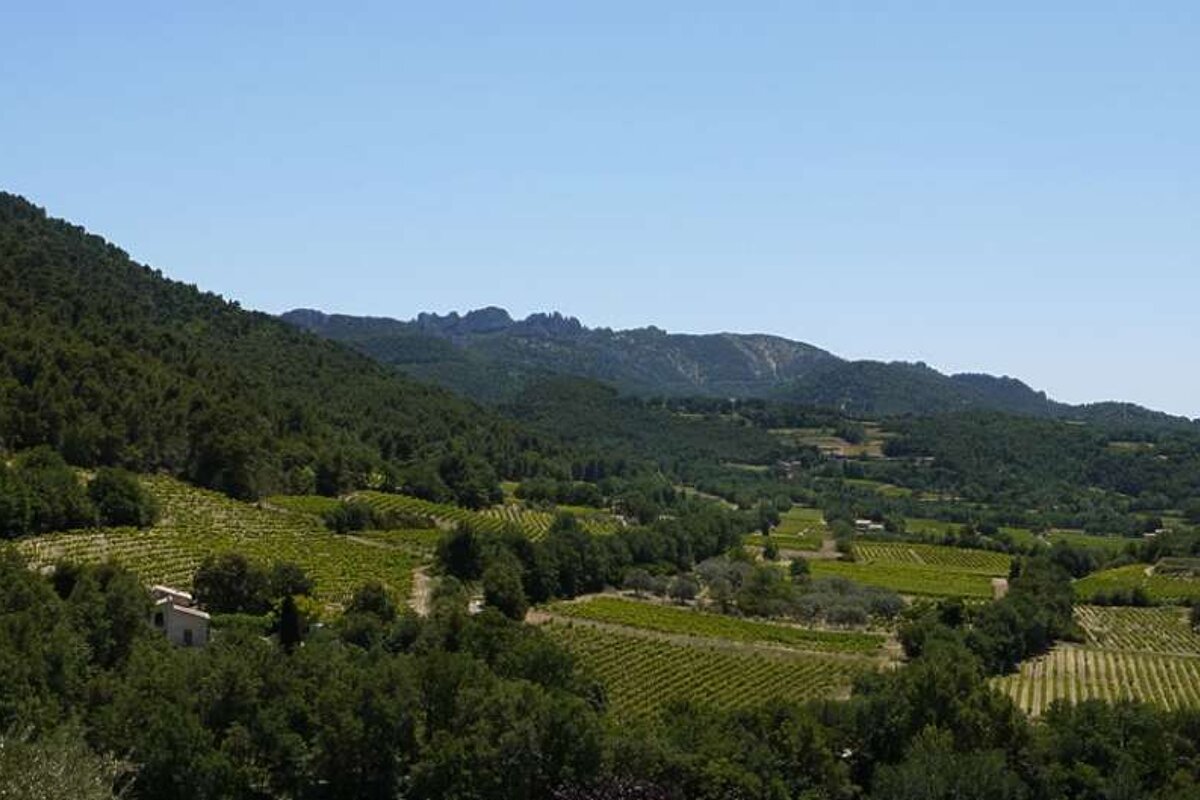

Séguret is a very picturesque village in the heart of the Côtes du Rhône wine region.


Séguret
Lovely village overlooking acres of vineyards
A 'Plus Beaux Village de France', it is a typical medieval village with narrow cobbled winding lanes and ancient buildings, situated half way up a hill overlooking vineyards on the surrounding terraced hillsides.
Events in Aix-en-Provence
Events in Aix-en-Provence
See all Events in Aix-en-Provence-

Beaujolais Nouveau
The new Beaujolais has arrived!
The third Thursday in November is when this year's Beaujolais hits the shelves and is cause for celebration across France.
-

Fête de la Musique
Music festival celebrated across France on the summer solstice
The Fête de la Musique is a celebration that takes place every summer solstice on 21 June in cities, towns and villages across France.


History & Culture in Aix-en-Provence
Roman remains have been found in the fields surrounding the village. A 3m statue of a Roman god with an eagle at his feet and his hand on a wheel was found in 1876, along with a god of the forests holding a flute. Both statues are now in Avignon, but the village still holds onto a statue of another forest god in the Chapelle Sainte Thècle.
You'll need to park your cark just before the village entrance and then it's a short walk up to the 14th century walls and 12th century archway where the village begins. The charming cobbled lanes lead past ancient stone houses, and there are fountains aplenty. When you reach the 17th century gargoyle fountain you'll know you've reached the centre of the village - it's really not that big. The clock tower and belfry also dates from the 17th century.
The Chapelle Sainte Thècle is also located in the middle of the village. Built in the 18th century by the Roman Catholic fraternity of White Penitents, it was and is still used as a meeting place and exhibition space.
Continue up through the village to the top where the church is, and enjoy outstanding views of the surrounding countryside. The church itself, Saint Denis, is Romanesque in style and was built from the 10th - 12th centuries - its bell tower is from the 14th century.
A ruined castle sits on top of the hill above the village. It was built in the 11th century by the Count of Toulouse in his attempt to wrestle control from the papal Comtat Vénaissin. If you head from the village back towards the car park, and follow signs to the castle, you'll find a steep, rocky path that takes you to the top of the hill and the ruins of the castle - allow 20-30 minutes.
Sights & Attractions in Aix-en-Provence
You'll find a small number of art galleries in amongst the alleyways, and one or two gift shops featuring santons (religious figurines). There are a couple of cafés and restaurants within the village for refreshments.
There is an artists workshop in the village, that offers a place for artists to base themselves during the summer months to practise their art. Painters, graphic artists, photographers and sculptors are catered for.
And of course, there are the vineyards. Seguret has been a centre for wine making for hundreds of years and is part of the AOC Côtes du Rhône Villages appellation. Most of the red wine is created using Grenache, Syrah and Mourvedre grapes; white and rose wine are also made here. The majority of the vineyards in the area are open to the public for tasting and sales during the week (avoid lunchtimes when they close).
Sights in Aix-en-Provence
See all Sights in Aix-en-Provence-

Shan-Art Gallery
Gallery of modern & contemporary art in Aix
A small gallery with a good collection of contemporary and modern art.
-

Calisson Museum
Take a visit to the place where they make Provence's most famous confectionery - Calissons
Located not far from Aix centre, this museum and shop explains a little about the history of how this unusual sweet is made.
-

Musee Granet
Fine art gallery showing European paintings & sculpture
This is Aix's fine art gallery, housed in the 17th century Palais de Malte. The collections includes works by a variety of European painters, including two by Rubens and a small selection of Paul Cezanne.
-

Musee des tapisseries Tapestry
A rich collection of ancient and contemporary tapestry
The Musee des Tapisseries houses a rich collection of 17th and 18th Century tapestries, including a collection called 'Grotesques' - theatrical taspestrie made in Beauvais cir. 1689, and also 'L'histoire de Don Quichotte' of 1735 unique in the world.
-

Carriere de Bibemus
The quarry that inspired Cezanne in many of his paintings
An old quarry, the Carrieres de Bibemus lies on the western slopes of Montagne St Victoire and is a place that inspired Paul Cezanne through out his life.
-

Fondation Vasarely
Abstract art & architecture from the Hungarian artist
Hungarian artist Victor Vasarely established this foundation in 1966 with the aim of promoting 'art for all' where art blends beautifully with architecture in the 'city of tomorrow'.


Dining in Aix-en-Provence
Restaurants in Aix-en-Provence
See all Restaurants in Aix-en-Provence-

Mickael Feval Restaurant
Fine dining restaurant with 1 Michelin star
This elegant restaurant is a must-visit for any lovers of modern cuisine and cooking methods. They embrace local produce and evolve their dishes according to the seasons.
-

Le Art Restaurant
Michelin-starred restaurant in a charming chateau
Located inside the luxury Chateau de la Gaude, this Michelin-starred restaurant serves the elaborate cuisine of chef Matthieu Dupuis-Baumal.
-

Le Comptoir du Clos
The sophisticated restaurant located at the Renaissance Hotel
Open daily, the Clos du Comptoir offers a sophisticated atmosphere for lunch and dinner in the same setting.
-

Villa Gallici Restaurant, Aix en Provence
Provencal cuisine in a beautiful setting overlooking the hotel grounds
A quiet atmosphere, beautiful grounds and wonderful flavours can be found at Villa Gallici Restaurant. Part of the 5 star Villa Gallici hotel you can indulge in lunch or dinner at this top quality restaurant.
-

Rendez-vous bio Restaurant
An organic restaurant and deli just outside of Aix
Fresh hearty meals prepared with love. Vegetarians catered for at this restaurant come deli come bio food shop.
-

Le Patio Restaurant
Characterful bistro with friendly service and delicious local dishes
Traditionally styled restaurant run by a husband & wife team. Classic French family favorites feature on the menu.


Nightlife in Aix-en-Provence
Bars & Clubs in Aix-en-Provence
See all Bars & Clubs in Aix-en-Provence-

Le Cardeur Bacchus Bar
A bar & restaurant in the centre of Aix
This small bar has a nice seating area outside next to one of Aix's many fountains and it catches the sun late into the evening.
-

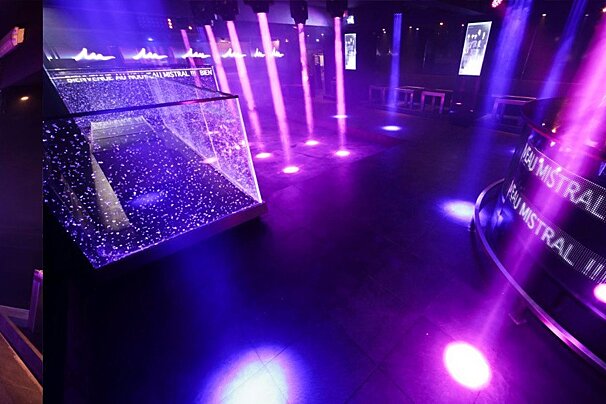
Mistral Nighclub
Trendy club in the heart of Aix-en-Provence, international DJ's & acts
The Mistral is Aix-en-Provence's answer to those looking for a trendy night out listening to the latest DJ's.
-

Le Scat Nightclub
Jazz club in the heart of Aix-en-Provence, live music & a great atmosphere
The Scat Club plays live music every night, and not just jazz the club plays pop, rock, funk and R'n'B.


Things to do in Aix-en-Provence
Hiking and cycling are popular in the surrounding countryside. There are hiking trails to the east of the village and the GR4 hiking trail (Mondragon to Simiane la Rotonde) passes right through the village. A 25km circular mountain biking trail from Seguret to Vaison is a great way to enjoy the countryside of the Dentelles mountains.
Things To Do in Aix-en-Provence
See all Things To Do in Aix-en-Provence-

Provence Wine Tours
A great way to visit the vineyards of Provence, from Aix en Provence
Provence Wine Tours offer a variety of wine tours from private visits, to group tours and even corporate events.
-

Indian Forest
Tree top adventures near the heart of Aix-en-Provence
An exciting path through the forest...but not on the ground! This tree top adventure will have you swinging from the branches and enjoying the sights and sounds of nature.
-

Set Club, Aix en Provence
Clay & hard courts
Set CLub is a sports complex which has 13 tennis courts, eight of which are clay courts and five are the faster green set. Lessons and competitions are all part of the club. Non-members are welcome.
-

Cabre d'Or Golf Course, Cabries
A superb natural site of 180 acres overlooking Provence
The Golf de la Cabre d'Or is only 20 minutes away from Aix-en-Provence et Marseille. This is a fairly new golf course which opened only in 2008.
-

Aix Yoga Center, Aix en Provence
Yoga centre offering regular Ashtanga & Iyengar lessons, courses & retreats
The Aix Yoga Center is a 150m2 studio yoga in the heart of Aix en Provence.
-

Country Club Aixois Tennis, Aix en Provence
Renowned club with excellent facilities
Plenty of clay tennis courts are available at the Aix Country Club. It provide lessons and coaching, and there is a pro shop too. Other facilities include a pool and a gym.




Watersports in Aix-en-Provence
Watersports in Aix-en-Provence
See all Watersports in Aix-en-Provence-

Le lac de Monteux, Monteux
Leisure centre with plenty of water based fun & activities
Located in the heart of the EcoQuartier Beaulieu, Lake Monteux is an open every day of the year. Ideal for the whole family, this area offers a multitude of activities.
-

Exo 84 Watersports, Lamotte-du-Rhône
A centre dedicated to wake-boarding and waterskiing
This watersports centre is based on a 10 hectare lake with boxes and features in the water that you can practise your wakeboarding moves on.
-

Caminaterra Activity Company, Vedene
Adventure tourism company with a wide range of activities
This company offers all kinds of activities, from climbing and pot-holing to canyoning, canoeing, kayaking, hiking and via ferrata.
-

Kayak Vert, Fontaine de Vaucluse
Canoe along the green coloured rivers of the Sorgue
This company offers an 8 kilometre canoe trip along the river near Fontaine de Vaucluse.
-

Canoe Evasion, near Isle sur la Sorgue
Canoe trips between Fontaine de Vaucluse & Isle sur la Sorgue
This company offers a 2 hour river descent from Isle sur la Sorgue to Fontain de Vaucluse in canoes.
-

Goud' Canoe, La Roque sur Ceze
Discover the beauty of the Ceze Valley by canoe
The Ceze is a calm river and accessible for all. Along the trip you’ll find enough spots and beaches where you’ll be able to get out of your boat to eat, sunbathe or swim.


Holiday Rentals in Aix-en-Provence
Holiday Rentals in Aix-en-Provence
See all Holiday Rentals in Aix-en-Provence-

Au Cœur Du Village Villa, Lourmarin
2 bedroom Villa in Lourmarin. Sleeps 4
Beautiful holiday home for rent in Provence, in Lourmarin, with garden and swimming pool.
-

La Bastide De La Forêt Villa, Bonnieux
3 bedroom Villa in Bonnieux. Sleeps 6
Come and discover this house with large swimming pool, near Bonnieux, for a holiday in the heart of nature.
-

L'Inattendue Villa, Cucuron
5 bedroom Villa in Cucuron. Sleeps 11
18th century stone farmhouse on a landscaped park of approximately 1 hectare with panoramic views of the Luberon.
-

La Badassière Villa, Bonnieux
5 bedroom Villa in Bonnieux. Sleeps 10
Villa rental in the Luberon - La Badassière
-

Le Mas Du Haut Trigaud Villa, Bonnieux
4 bedroom Villa in Bonnieux. Sleeps 8
Superb 5 star rated property located in Bonnieux with swimming pool
-

Le Capitaine Villa, Bonnieux
2 bedroom Villa in Bonnieux. Sleeps 4
The Capitaine is an apartment located on the 2nd floor, its exposure is ideal for holidays in Provence, beautiful atmosphere.




Hotels in Aix-en-Provence
Hotels in Aix-en-Provence
See all Hotels in Aix-en-Provence-

Villa Gallici Hotel
Small luxury hotel in the centre of Aix en Provence but surrounded by gardens
Under the light Cézanne once knew, the Villa Gallici Hotel is an 18th century Provençal house and a member of Relais et Châteaux portfolio.
-

Renaissance Hotel
Contemporary style 5 star hotel with works of art & stylish furnishings
Built in 2013 this modern, contemporary five star hotel in Provence combines art work in contemporary spaces, filled with uber stylish furniture and fittings.
-

Le Pigonnet Hotel
Grand hotel with magical gardens just outside centre of Aix-en-Provence
The five star Pigonnet hotel in Aix is an 18th-century mansion surrounded with stunning floral gardens, situated just outside the centre of Aix-en-Provence.
-

Moulin de Lourmarin Hotel, Lourmarin
Former oil mill converted into a charming Provencal style hotel
Located in one of the most beautiful villages in France, this former oil mill welcomes its guests in an enchanting setting surrounded by lime trees.
-

La Maison d'Aix Hotel
Small hotel built from an old house in Aix en Provence
This hotel is a beautiful renovated house located on a quiet street, and walking distance to all the hustle and bustle of Aix.
-

Hotel des Augustins
A charming Provençal style hotel in the heart of the city
Set in a 12th century historic convent, this hotel has some fantastic architectural features, including big stone archways in the reception and entrance hall.




How to get to Aix-en-Provence
Transfers for Provence
See all Transfers for Provence-

Private Airport Transfers
Reliable private airport transfer & taxi service
Chabe Transfers are a well known luxury transfer and taxi service operating in the South of France.
-

Helicopter Transfers & Scenic Flights
Passenger transport, aerial photography, freight , etc...
Helitec caters for all your helicopter needs from passenger transport to aerial photography, filming, transport of heavy goods, leisure flights over Provence and the South of France. A great way to see the most beautiful spots from the air.
-

Helicopter Transfers & Scenic Flights
Helicopter charter company based in Monaco with over 25 years experience
With a long history and experience in the VIP transport industry this company is proud of its personal and high-quality services.
-

Helicopter Airport Transfers & Scenic Flights
Monaco - Nice Helicopter Shuttles, plus French Riviera Scenic Flights
Created in 1976 this company has grown and has now transported well over 100,000 passengers. They have a fleet of 12 craft to meet client demands.
-

Avignon Taxis
Taxis in Avignon and the entire region
Avignon City Taxis at your disposal 24/7 for taxi services and transfers airports and railway stations in Avignon and in the entire region.
-

Marseille Taxis
Taxis in Marseille
300 vehicles at your disposal. All taxi services and transfers airports and Railway stations.


Property For Sale in Aix-en-Provence
Property for Sale in Aix-en-Provence
See all Property for Sale in Aix-en-Provence-

Villa for Sale | VAL240008
4 bedroom, 4 bathroom, 240m² Villa in Var
Set in the prestigious Domaine de Terre Blanche, Villa Augusta is the epitome of contemporary luxury.
Villa for Sale | VAL240008
€3,200,000 -

Villa for Sale | VAL240033
4 bedroom, 5 bathroom, 330m² Villa in Var
Elegant villa in the sought-after Terre Blanche estate
Villa for Sale | VAL240033
€3,750,000 -

Villa for Sale | VAL250082
6 bedroom, 428m² villa in Var
Nestled in the heart of the prestigious Terre Blanche estate, this superb property of approximately 428 m² of living space is set on one hectare of landscaped grounds, one of the largest on the estate, offering spectacular views of the surrounding hilltop villages and a rare living environment that is both luxurious and peaceful.
Villa for Sale | VAL250082
€9,800,000 -

Villa for Sale | val260153
4 bedroom, 320.95m² Villa in Tourrettes
This contemporary property, inspired by neo-Provençal architecture, offers approximately 300 sqm of living space and is set within a beautifully landscaped 3,300 sqm garden, providing a private living environment.
Villa for Sale | val260153
€4,500,000 -

Land (Plot) for Sale | VAL250058
10 bedroom, 9 bathroom, 1350m² plot in Var
An exceptional estate in landscaped grounds
Land (Plot) for Sale | VAL250058
€39,850,000 -

Villa for Sale | STZ250285
7 bedroom, 4 bathroom, 233.84m² Villa in Var
A Provencal villa at the foot of the village of Grimaud.
Villa for Sale | STZ250285
€2,690,000


